

FF Techniques & Positions
Fisting techniques and fisting positions decide how deep a session goes and how it unfolds: the hand shape controls entry, the pressure sets the width, the position sets the angle. Master those 3 and you get further in gay fisting than with any force. The fisting guide below walks through the hand shapes from duckbill to fist, grip technique and movement, and the 7 common fisting positions with their switches. Then come solo fisting, the route to the sigmoid and the special techniques at the far end of the scale, lesson by lesson, for beginners and for men who want to learn the next move.
Anatomy, preparation, kit and risks are covered in the main overview of Fisting. The route from the first finger to the first fist is in the fisting basics, and first-hand accounts of how it feels are in the testimonials.
Subscribe to new posts in this category
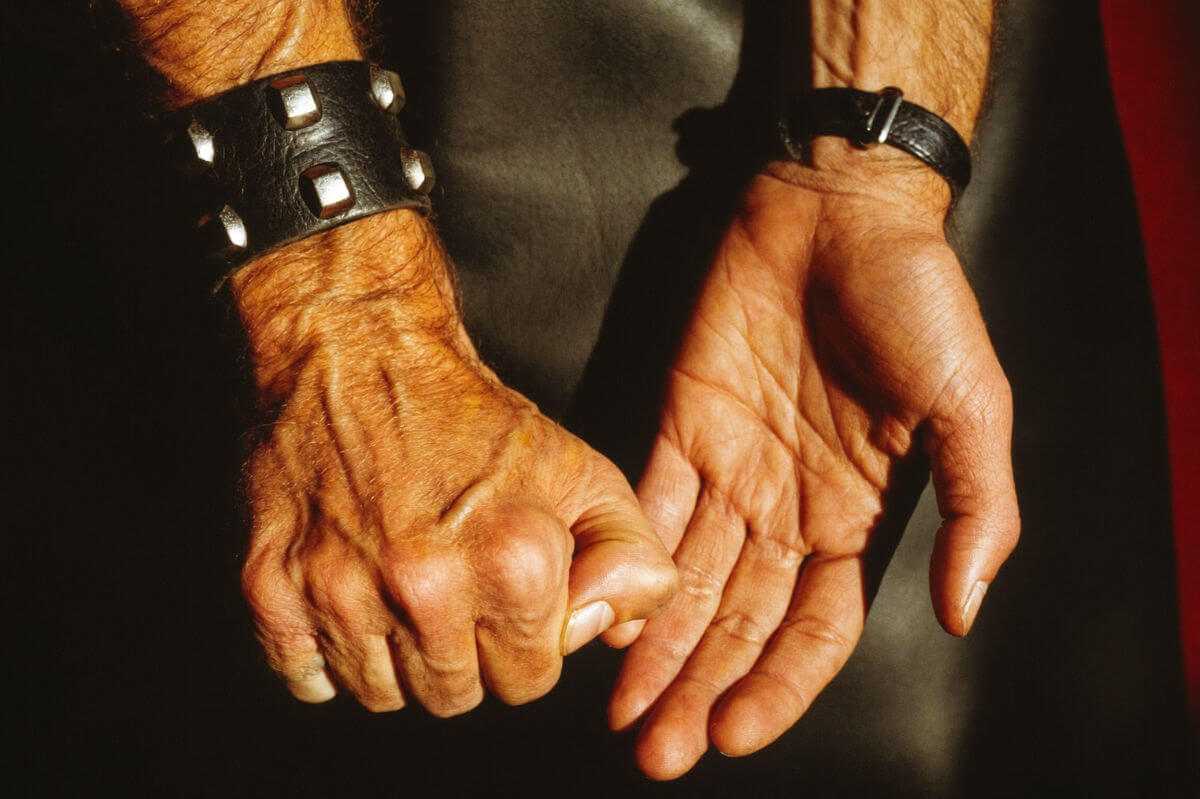
Fisting Grip Techniques: How to Control Movement and Pressure

Bruno
19.07.2026

Increasing Fisting Depth: Techniques for Control and Intensity

Kenji
30.06.2026

Which Fisting Techniques Feel the Most Intense?
Bruno
24.04.2026
How Double Fisting Works and What to Watch For
Kenji
12.02.2026

How Punch Fisting Works and How to Do It Safely

Gary
27.02.2025

How to Finger Your Ass: A Step-by-Step Guide
Gary
19.01.2025

Getting Into Foot Fisting: Techniques and Safety
Gary
30.11.2024
5 Fisting Hacks for Safe and Comfortable Play
Bruno
05.11.2024
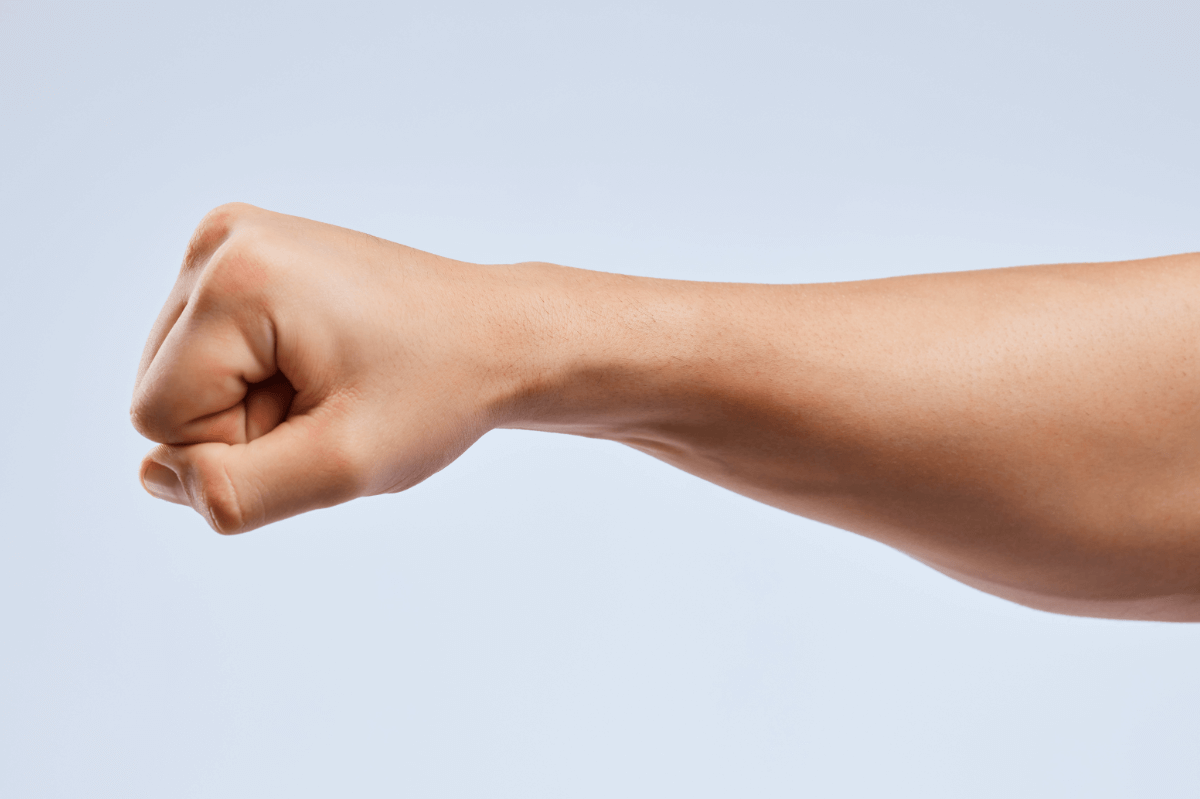
Fisting Hand Positions That Help You Last Longer
Gary
01.10.2024
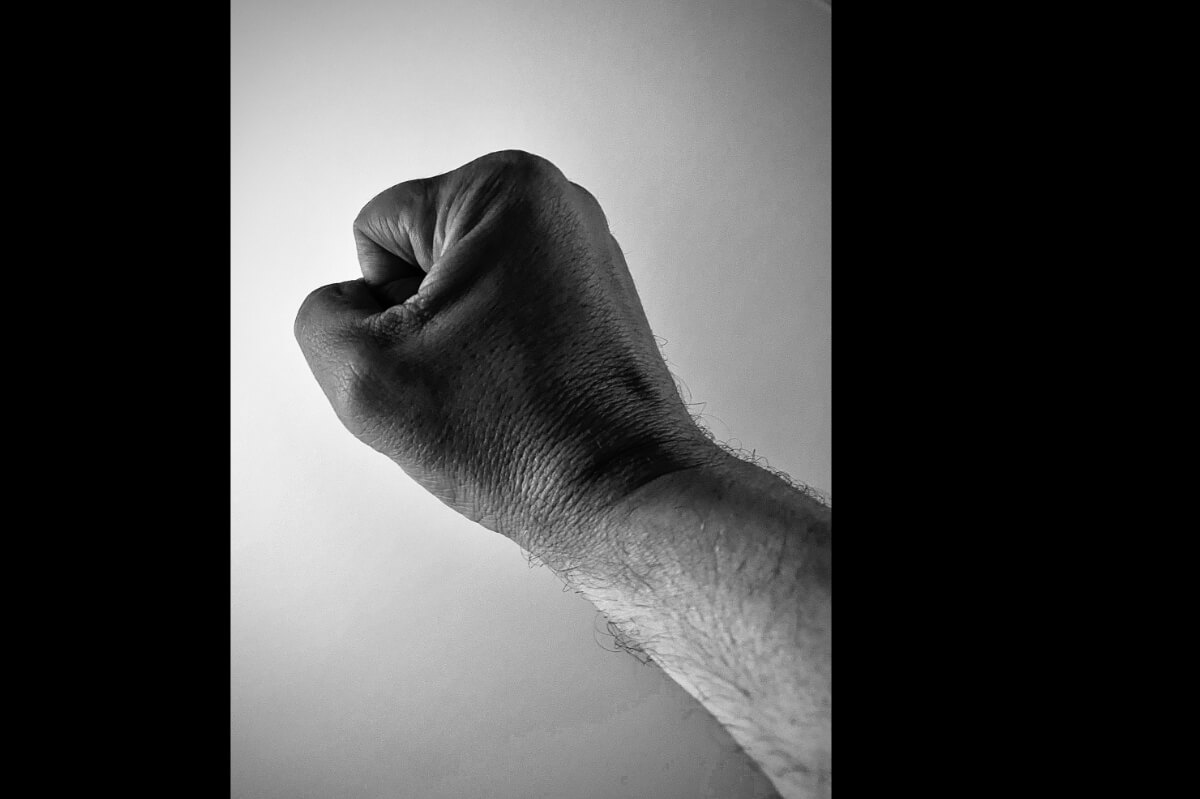
How to Make a Fist for Fisting

Tom
17.08.2024

The pleasures of solo fisting
Kenji
14.10.2023
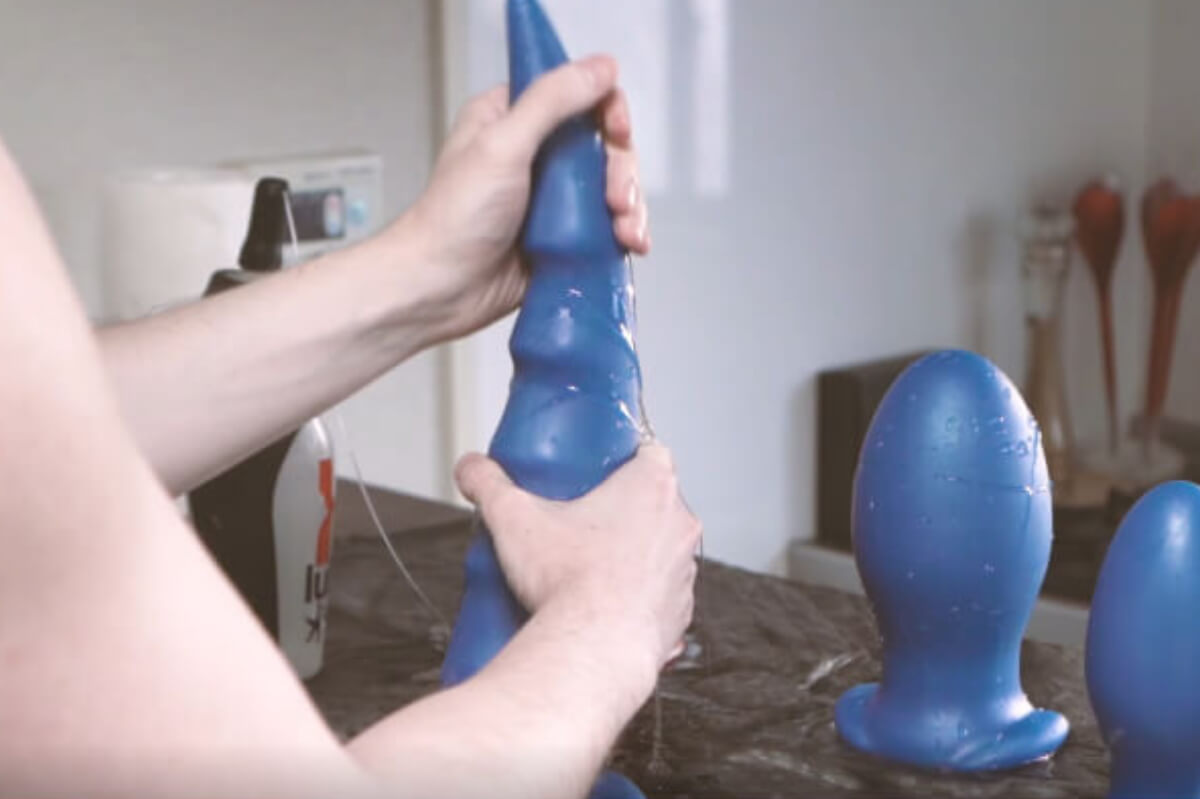
Anal Stretching: How to Open Up Properly
Bruno
02.07.2023
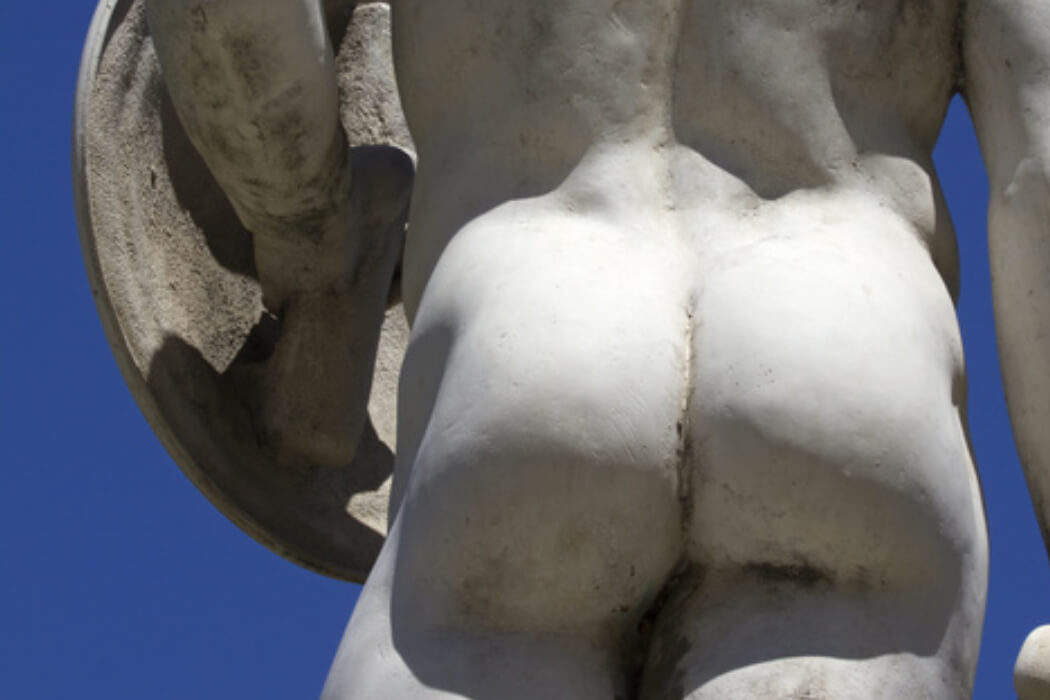
The Anatomy of Fisting, Clearly Explained

Axel
30.01.2022

The Hottest Fisting Positions to Try
Tom
25.01.2022
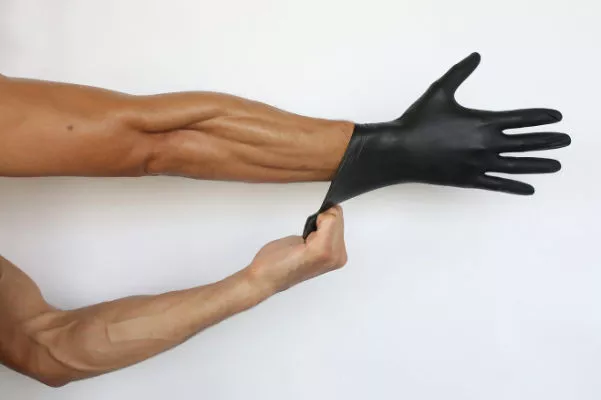
How to Take a Fist as the Passive Partner
Tom
23.01.2022
The hand shape: from duckbill to fist
The duckbill comes first, the fist follows later. For the duckbill, the tips of all 4 fingers meet at the thumb of the same hand. The thumb folds under the fingers instead of sitting inside the palm. That shape spreads the load more evenly than a clenched fist does.
Entry starts with 2 fingers, then 3, then 4, and only then does the thumb fold in. The fist itself comes once the whole hand is inside. Every step from duckbill to fist is in the tutorial how to make a fist, and the fisting hand positions rank duckbill, fist and forearm by girth.
Fisting grip: how to build and hold pressure
Fisting controls width through 3 stages of pressure: the opening stage widens the tissue, the holding stage stabilises the width reached, and the exploratory stage targets the prostate. The stages follow one another rather than blending into one push.
One principle governs all 3: build pressure to the first resistance, then hold rather than increase. Once the tissue yields, the next step follows. Force spreads across the whole palm rather than individual fingertips. Once past the tightest point, the wrist takes the lead. A small turn there replaces a movement from the whole arm. Pressure and guidance in detail are in fisting grip techniques. How the top sits is covered in active fisting done right, how the bottom lets go in how to take a fist.
Movement inside: 4 patterns and what they do
Fisting works with 4 movement patterns. Pulsing keeps the hand in place and delivers small pulses, rotation shifts where the load sits, wave-like movement builds tension and lets it fall again, and static intensity comes from staying still.
Intensity grows out of variation rather than out of extra depth. The inward movement follows the exhale; pause on the inhale. Experienced partners combine the patterns, rotation with pulsing for instance. All 4 patterns, along with tempo and micro-adjustments, are compared in which fisting techniques feel the most intense?; the tricks for breathing and breaks are gathered in 5 fisting hacks.
Pre-stretching and fingering: the technique before
Anal stretching is a technique in its own right and progresses from fingers to plug to hand. Tissue gives way over minutes because the muscles gradually release tension. Plugs and dildos of increasing girth prepare that width and build muscle memory.
Anal fingering teaches the angle that fisting needs later. The prostate lies 5 to 7 centimetres in, towards the belly side. It feels like a firm, slightly domed spot. What happens in the tissue, and where the warning signs mark the limit, is explained in anal stretching; how to stretch and prepare for fisting gears the training toward taking a fist. The finger stage is covered in how to finger your ass, the girths in between by fisting toys.
The 7 fisting positions compared
Fisting has 7 common positions: on your back in the sling, doggy, side, belly, standing, upside down and squatting. Each one shifts the angle and with it the depth on offer.
The sling gives eye contact and leaves the active partner both hands free. In exchange, the belly, spleen and small intestine press on the colon and make depth harder. In doggy the belly hangs, so the route opens up. The passive partner can push onto the hand there or pull back. A mirror at the head end makes up for the missing eye contact. The side position relaxes the male pelvic floor most easily and suits stretching work. Standing gives the passive partner control over depth. All 7, with their trade-offs, are compared in the hottest fisting positions.
Switching fisting positions mid-play
A long session needs more than one position, and a switch takes the strain off both partners: the passive partner’s back and the active partner’s joints. From the sling to standing, the move is a pirouette: the fistee turns out of the sling over the active partner and ends up standing, the fist still inside.
Squatting often follows standing, because a stooped stance tires the legs quickly. Lying on the belly and hanging upside down are the two extremes. On the belly the active partner has to thread around the tailbone. When the receiver hangs head down, gravity straightens the bowel. Upside down calls for a rig, and high blood pressure rules the position out. The switch is described in detail in the hottest fisting positions, the gear for it in helpful fisting aids.
Solo fisting: bridging the distance
Solo fisting works in 3 positions. On your side, you run the hand close along your back to the arse. On your back with the legs stretched upward, a pillow under the back lifts the buttocks further. The doggy variant keeps the arse flat and asks for a lot of flexibility.
A fisting dildo in fist or hand shape stands in for the real thing. With a suction cup it grips a smooth floor, and the fistee squats down onto it. Gloves belong in solo play too. They cover broken skin on the hand and protect the lining. Instructions for all 3 positions, and the toys you need to fist yourself, are in the pleasures of solo fisting. Poppers come with their own solo rule: because of possible dizziness, someone else should be nearby in the house.
Building depth: the bend towards the sigmoid
Just past the rectum the bowel bends to the receiver’s left. The hand follows it with a 90-degree turn. After that the bowel runs straight up again. The bend sets the real limit for fisting, more than girth does.
The turn goes opposite ways depending on which hand leads. If you fist a guy with your left hand, he lies on his back: the forearm enters upwards towards his cock, and the hand turns to the right. With the right hand, the belly position suits best, and the turn goes left. How to train for it is laid out in increasing fisting depth, the turn is explained in the fisting hand positions, and the anatomy of fisting provides the map for all of it.
Double fisting: two hands as far as the wrist
Double fisting works with 2 hands. The first goes in as a duckbill up to the wrist. Then the fingers of the second hand slowly widen the notch in the lower palm until the second hand fits as well. The build-up with 2 hands takes hours rather than minutes.
As a rule, double fisting stops at the wrist. The rectal ampulla is usually as far as two hands go. Preparation, consent and warning signs are covered in how double fisting works; the build-up with both hands is described in the fisting hand positions.
Punch fisting, elbow and footing
Fisting has 3 special techniques at the far end of the scale. Punch fisting aims at width instead of depth: the hole is stretched until the fist goes in and out fast. After that the active partner punches it in. Elbow fisting requires a hole that takes 2 hands with ease. Footing swaps the hand for a foot.
Each of the 3 carries its own risk. Punching drives air into the bowel and strains the sphincter. Injuries to the sphincter bleed at once and scar later. A foot is less mobile than a hand, and toenails are thicker, so latex socks are a must. How punch fisting works gives 5 tricks for control, elbow fisting explains where the arm variant fits, getting into foot fisting the foot. Further variants such as heading, group fisting and rosebud are described in special fisting techniques, along with their risks.
What goes wrong with technique and position
4 mistakes show up again and again in fisting: moving too fast, a lack of variation, missed signals and a position that leaves the active partner cramping.
Sharp stabbing pain and burning that lingers are warning signs and call for a stop. A diffuse feeling of fullness is perfectly normal. An active partner who cramps in the forearm loses his fine control, so changing his own posture is part of the technique. A safeword or a hand signal keeps control on both sides. The common mistakes, along with aftercare, are listed in fisting grip techniques. What to do in an emergency is covered in how to handle fisting injuries and in anal prolapse and rosebud.
Common questions about fisting techniques and positions
How do I fist myself, and which position works best?
The easiest start is on your side, where the hand stays close to the back. On your back, a pillow under the back shortens the distance; the flat doggy variant asks for flexibility. To fist yourself hands-free, squat down onto a dildo with a suction cup.
How do you hold your hand for fisting?
As a duckbill: 4 fingertips together against the thumb, thumb folded under the fingers. The shape tapers at the front and stretches evenly on entry. Pressure spreads across the whole palm rather than individual fingertips, which is exactly what sets it apart from a clenched fist. Clenching into a fist comes only after full entry.
How many fingers does fisting start with?
With 2, then 3, then 4. The thumb only folds in once all 4 move freely. Fisting makes its biggest jump in circumference at the step to the whole hand, and that step takes the most time. Small circling movements help the muscle more than forward pressure.
Which fisting position allows the greatest depth?
Upside down, hanging head down. Gravity pulls the organs down and straightens the bowel. In doggy the belly hangs, and the route opens up as well. Lying on your back, the belly and organs press on the colon instead. Upside down calls for a rig, and high blood pressure rules it out.
How do you spot too much pressure during fisting?
Sharp stabbing pain, a burning that lingers and strong tensing of the muscle all mean too much pressure. A diffuse feeling of fullness, by contrast, is normal and develops a clear feel of its own with experience. At any of those 3 signals, ease the pressure off at once and hold the hand still. Resistance at a single spot calls for a small correction of the angle rather than more force.