

☆ Prefer the Gay Blog on Google
Table of Contents
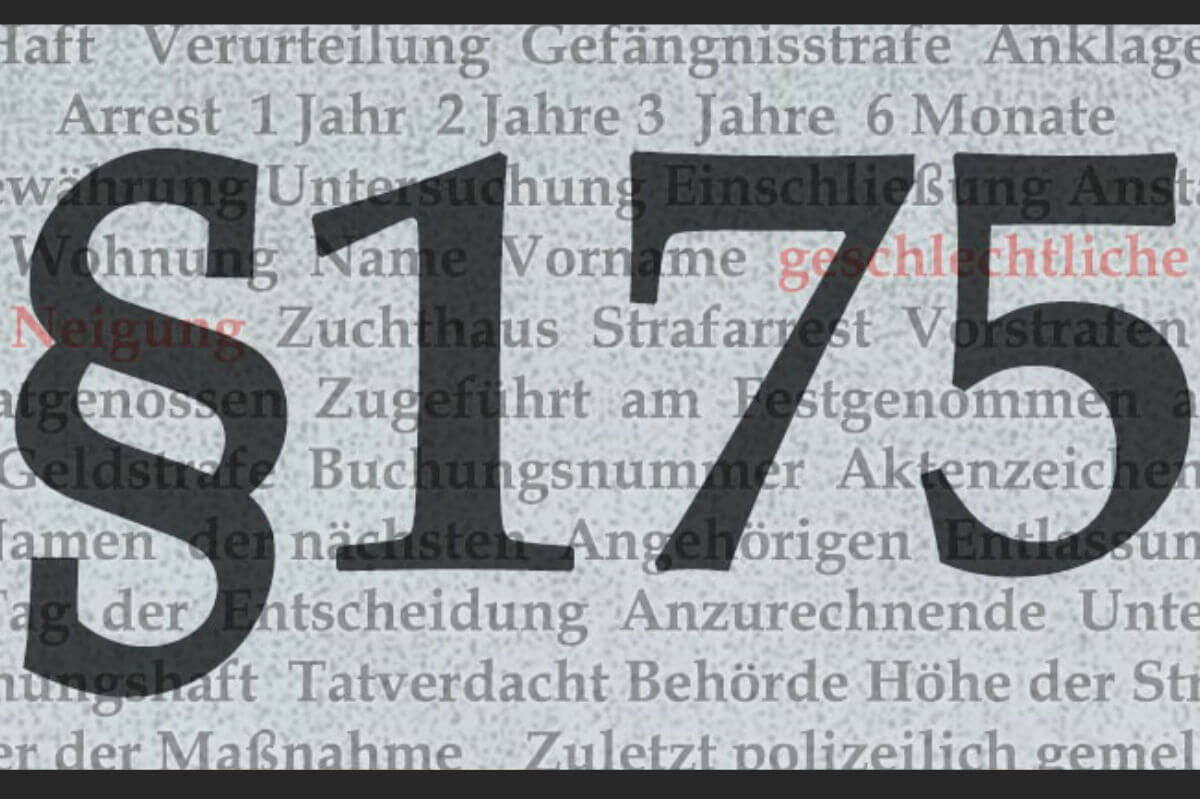
The Law on § 175 shaped German history like few other criminal statutes. Paragraph 175 criminalized sexual acts between men for over 120 years – and its effects continue to reverberate through society today. This article examines the historical dimension, the Nazi regime and its terror, the contradictory postwar period, and the long struggle for equality.
Homosexual men in Germany suffered unimaginably under this law. The history of criminalization is simultaneously a mirror of society and a warning for today.
The Origins: A Paragraph with Prussian Heritage
The criminal statute for homosexual acts found its way into the German Empire’s penal code in 1871 – as a direct adoption of Prussian law. Paragraph 175 was not necessarily an instrument of oppression, but rather reflected the prevailing understanding of morality and public order at the time, which considered homosexuality “unnatural.”
However, there were dissenting voices in the 19th century. As early as 1869, even before German unification, the first representatives of the emancipation movement organized themselves. Karl Heinrich Ulrichs and Magnus Hirschfeld are regarded as pioneers of a movement demanding the medical and legal reassessment of homosexual orientation. The Weimar Republic would give this issue a reformist turn.
During the Weimar period (1919–1933), a cultural and scientific flourishing occurred: Berlin became a symbol of a more open attitude toward homosexuality. Salons, artistic circles, and medical debates treated sexuality and gender identity with unprecedented openness. Yet this progress was fragile.
Paragraph 175 Under the Nazi Regime: Persecution as State Terror
With the Nazis’ rise to power in 1933, cultural liberality ended abruptly. The Nazi regime instrumentalized the criminal statute as a tool of systematic oppression and annihilation. Criminalization was intensified – Paragraph 175 became the foundation of a persecution apparatus.
The Nazis saw homosexual men as a biological and moral “defect” that would “contaminate” the nation. Their propaganda was intensely antisemitic: homosexuality was equated with “racial poisoning” and portrayed as a Jewish conspiracy – an antisemitic lie with far-reaching consequences.
From 1936 onward, persecution intensified dramatically. According to estimates, approximately 50,000 men were convicted under this statute. Between 5,000 and 15,000 homosexual men were deported to concentration camps – many marked with the pink triangle.
Conditions in the camps were apocalyptic. Homosexual prisoners were considered the lowest in the hierarchical order and were systematically terrorized by other inmates and guards. Sexual exploitation, medical experiments, and murder were everyday occurrences. Survival rates were significantly lower than for other groups of prisoners.
Psychological and Social Consequences of Persecution
The psychological scars of this period are intergenerational. Survivors were traumatized not only directly by their experience but also by legal continuity – the message that persecution had been lawful. After 1945, many of the convicted were not rehabilitated. Paragraph 175 remained in force – and with it, the implicit message that persecution had been justified.
Surviving homosexual men had to live in a postwar society that refused to acknowledge their persecution and demanded their silence. While other victim groups received (inadequately limited) compensation, homosexual survivors were long ignored. Official recognition as victims of the Nazi regime took decades.
This process of coming to terms with the past is widely criticized as insufficient. It left deep wounds in LGBTQ+ communities and continues to shape collective memory today.
The Long Road to Decriminalization
After 1945, there were two Germanys – and two different approaches to Paragraph 175.
In East Germany, the criminal statute was abolished in 1968. The East German leadership, ironically, recognized decriminalization as a modernization step – not from ideological conviction, but from pragmatic calculation. This made East Germany more progressive than West Germany on this issue.
West Germany, by contrast, was staunchly conservative. Here Paragraph 175 – in slightly weakened form – remained in force until 1994. This meant: homosexual men in West Germany were still prosecuted under criminal law for more than 50 years after the collapse of the Nazi regime.
The reform movement of the 1960s accelerated the debate. In 1969, a first reform was implemented, raising the age of protection under the statute from 14 to 18 years and softening its direct criminal character. Yet genuine decriminalization remained absent.
The Stonewall movement in the USA in 1969 ignited new consciousness in Germany as well. Activists and LGBTQ+ organizations loudly demanded complete abolition. During the late 1970s and 1980s, protest actions grew.
Only in 1994 – nearly two decades after the first reform demands of the new movement – was Paragraph 175 finally abolished. Reunification played a role: West German law had to be restructured, and homosexual activists seized this moment to achieve complete decriminalization.
From Criminal Statute to Modern Context
Today, Paragraph 175 seems like history. Yet the symbolic power of this statute continues to resonate.
Germany gradually introduced equal rights legislation: in 1980 the abolition of § 175a (which imposed an even stricter penalty for anal intercourse), in 1994 the repeal of § 175 itself, in 2001 the introduction of registered partnerships, and in 2017 marriage equality. This legal development is a success story – at least on paper.
However, decriminalization alone does not automatically bring social acceptance. Discrimination, violence, and exclusion are far from history. LGBTQ+ people continue to experience hate crimes, employment discrimination, and social marginalization.
Compensation for Nazi victims remained unfairly distributed for a long time. Only in 2002 were survivors of homosexual persecution formally recognized as victims. Many received no compensation or inadequate reparations.
Memory, Commemoration, and Contemporary Questions
Memorials like the Monument to Persecuted Gays in Berlin document this past. Each year, there are commemorative events and publications that keep this history alive.
At the same time, important questions remain: How is this history taught in schools? How present is awareness of this past in society? And what parallels can be drawn to contemporary forms of discrimination?
Internationally, the situation for LGBTQ+ people varies greatly. While Germany has achieved equal rights, over 60 countries still criminalize homosexuality. Some impose death penalties. In this global context, it becomes clear: Germany’s path was privileged – but also fragile.
Paragraph 175: What Remains?
Paragraph 175 is repealed, but not forgotten. The history of criminalization is a central part of German history and simultaneously part of queer identity.
For many gay men today, this history is not abstract but deeply personal. It shapes family trauma, behavioral patterns, and the relationship to state and society. At the same time, it is a source of resilience and solidarity.
True equality emerges not from laws alone, but from societal consciousness. Knowing Paragraph 175, understanding its mechanisms, and honoring the stories of survivors is part of this consciousness-building. It is an act of remembrance – and of solidarity with all those still suffering persecution.