

Table of Contents
The HIV panic of the 1980s and 1990s feels like a distant memory: medications have improved, knowledge about the virus has grown, and the social mood seems less hysterical.
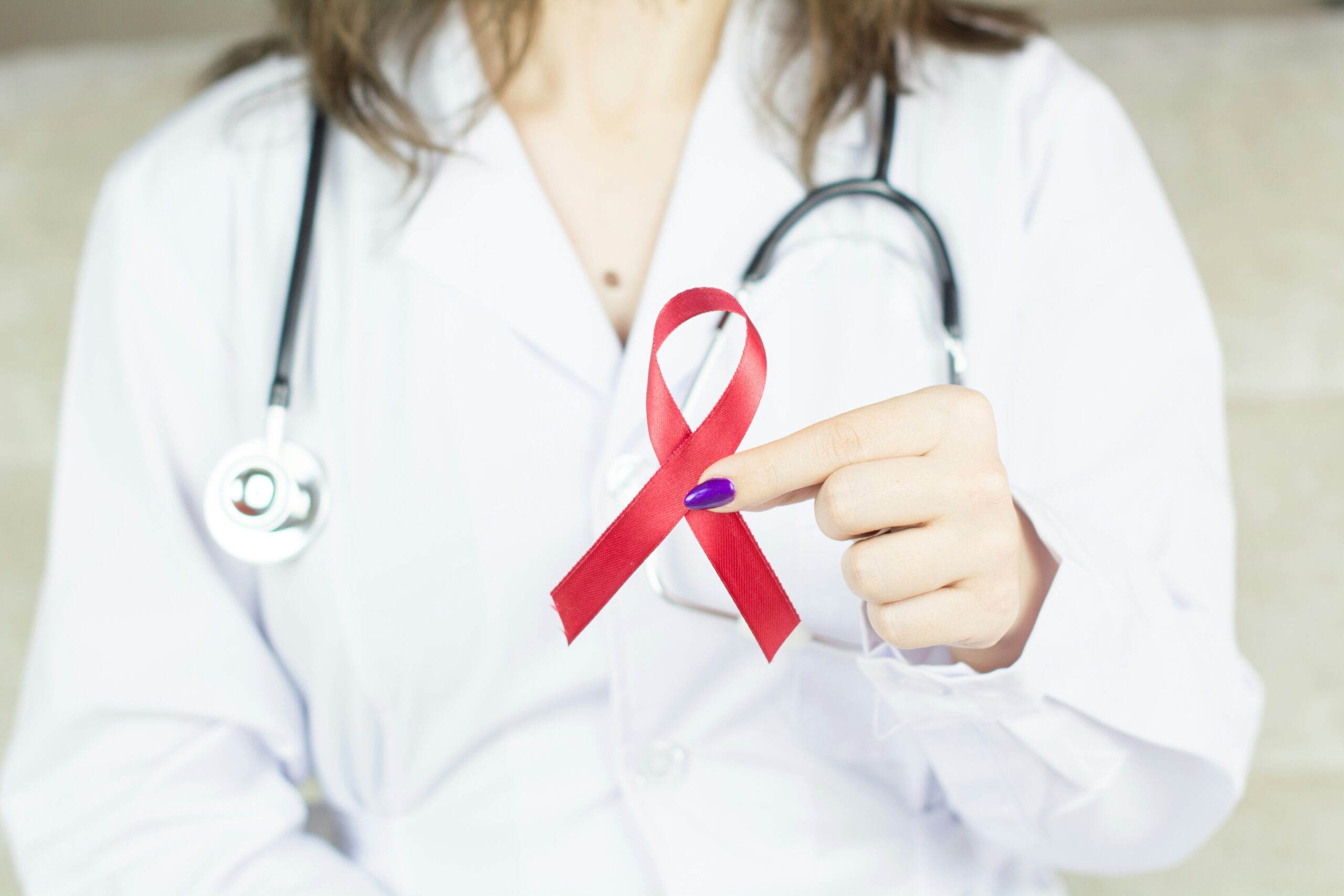
But HIV still exists and can radically change your life if you are unlucky enough to become infected. Today, however, we have many ways to protect ourselves. Modern HIV prevention no longer means just using condoms. Today, you have more tools than ever before and can find your own way to prevent infection.
Condoms are no longer everything
Condoms are quick to grab, discreet, and basically self-explanatory. But life rarely goes according to plan. Sometimes a condom is missing at the crucial moment, sometimes the situation isn’t right, sometimes it just doesn’t feel good, and sometimes a brief moment of inattention is enough to increase the risk.
This does not mean that condoms are no longer necessary, but today they are just one element in a whole toolbox of HIV prevention strategies.
Knowledge is reassuring: a culture of testing instead of fear
One of the greatest advances has been in the culture of testing. Today, an HIV test is just a small formality that gives you clarity.
Many people take these tests regularly, simply to be on the safe side and reduce stress. Often, a quick visit to a health center or a conversation at a counseling center is enough to get tested on the spot. Self-tests are now also available, although you need to use them correctly to get a reliable result.
But whether at a center or at home, a test immediately changes your perspective. It ensures that you don’t have to walk around with vague worries.
U=U and other findings
In addition to condoms and tests, knowledge about the virus itself is also extremely important. For example, more and more people now know that HIV is not as easily transmissible as it has long been portrayed.
Everyday contact does not pose a risk, and a well-treated person with HIV whose viral load is below the detection limit cannot sexually transmit the virus. This is called “undetectable = untransmittable,” often abbreviated as U=U. This knowledge reduces prejudice and creates space for more relaxed encounters. At the same time, it shows how important effective treatment is for carriers of the virus.
PrEP changes the rules: protection through prevention
However, the biggest change in recent years concerns what is known as PrEP, or pre-exposure prophylaxis.
The idea behind it is simple. You take a medication before exposing yourself to a situation that could pose a risk, thereby significantly reducing the chance of infection.
PrEP was originally developed as a concept for people at particularly high risk, but today it is used by many who simply want to play it safe. Typically, PrEP consists of active ingredients that prevent the virus from establishing itself in the body. If HIV enters your body after contact, it encounters these substances and cannot reproduce properly.
How well does PrEP really protect?
Studies have shown how much PrEP can reduce the risk. When taken correctly, the probability of infection drops to almost zero.
This does not mean that you should take risks without further caution, but the protective effect is high. Those who take PrEP daily or use it according to the so-called “on-demand” regimen achieve a level of protection comparable to that of a condom.
However, it is important that you take it seriously. If you forget to take your tablets or take them irregularly, the method loses its reliability. It is therefore worth discussing with a doctor beforehand which dosage regimen suits your everyday life.
Modern access channels lower the barriers to counseling and treatment
Telemedicine has changed access to medical counseling and medication for HIV prevention.
In the past, a traditional doctor’s appointment, long waiting times, and a certain amount of courage were necessary to talk about risky behavior. Today, online platforms offer telemedicine consultations where you can openly describe your situation without having to wait a long time or talk to a stranger in person about intimate topics.
If you want to order reliable PrEP online, you can do so today and also get advice via telemedicine. You usually fill out a questionnaire and then receive a prescription that you can redeem directly at a mail-order pharmacy. Your medication will then be delivered to your home a few days later in discreet packaging.
Discretion, quality, and convenience
For many, this new approach lowers the barrier to learning about sexually transmitted diseases or getting prescriptions for medication or contraceptives.
Some people feel uncomfortable talking about their sex lives in a doctor’s office. Others live in rural areas and don’t have quick access to specialized doctors. Still others simply don’t have time to go to a doctor’s office. If you find yourself in one of these situations, you can take advantage of telemedicine without compromising on quality.
Safety becomes more personal
Despite all the new possibilities, it remains important to find your own path to prevention. For some, it’s condoms, for others it’s PrEP, and many use both depending on the situation.
Regular testing can also be part of this routine. It’s not about choosing the right method, but about recognizing that safety can be achieved in several ways. You can adapt, try things out, and develop them over time.
Today, HIV prevention is no longer just about abstinence or fear. Different methods of prevention allow you to shape your sex life in a way that suits you without being reckless. When you know that you are taking good care of yourself, you can engage in sexual encounters in a more relaxed manner and feel more comfortable in your everyday life.
Photo by Bermix Studio on Unsplash